
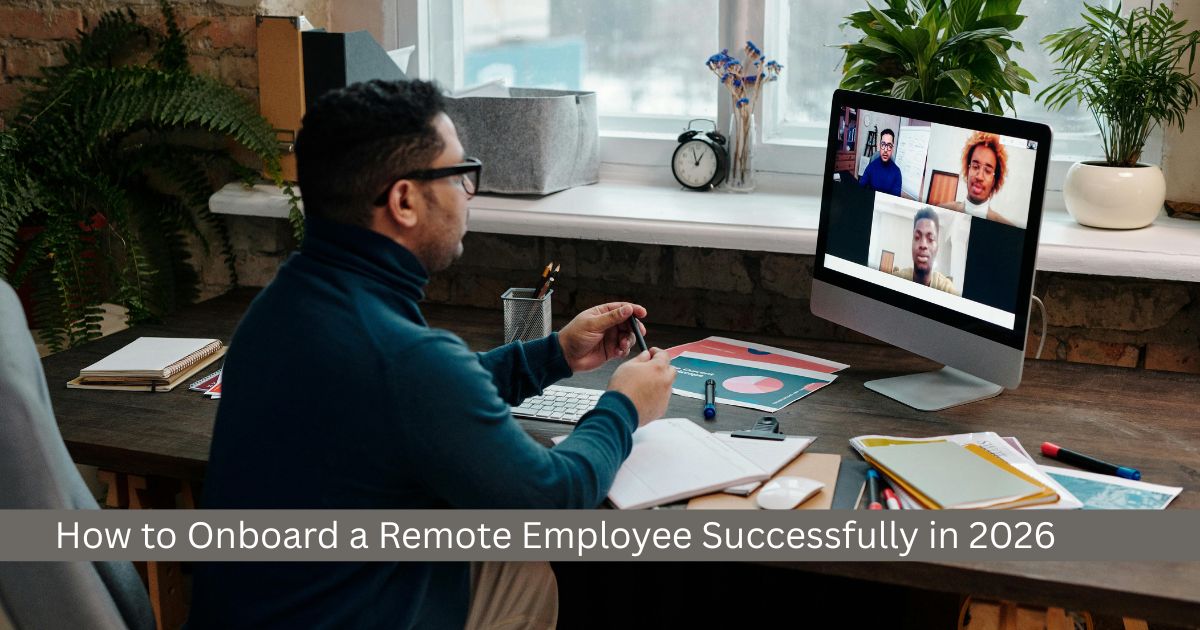

The global workforce has undergone a significant transformation over the past few years, and remote work has become a permanent part of modern business operations. In 2026, companies are no longer limited by geographical boundaries when hiring talent. Organizations can now access skilled professionals from around the world while reducing operational costs and improving business flexibility. However, hiring a remote employee is only the first step toward success. The real challenge lies in ensuring that new team members are properly integrated into the organization through an effective onboarding process.
A well-structured remote onboarding program helps employees understand their responsibilities, align with company goals, and become productive more quickly. It also strengthens employee engagement, improves retention rates, and contributes to long-term business growth. Whether your company is building an internal remote team or leveraging outsourcing services, investing in onboarding is essential for achieving maximum value from your workforce.
Why Remote Onboarding Matters More Than Ever
Remote employees often face unique challenges when joining a new organization. Unlike traditional office environments, they cannot walk over to a colleague’s desk for assistance or naturally absorb company culture through daily interactions. Without proper guidance, employees may feel disconnected, confused about expectations, or overwhelmed by their new role.
A strong onboarding process helps eliminate these challenges by creating a clear path for success. Employees who receive comprehensive onboarding are generally more productive, engaged, and committed to their organizations. Businesses that prioritize onboarding also experience lower turnover rates and stronger team collaboration.
For companies utilizing Outsourcing Solutions for US businesses, effective onboarding becomes even more important because remote employees often work across different locations, time zones, and cultures. Creating a seamless onboarding experience ensures everyone remains aligned with company objectives and performance standards.
Start Before Day One
Successful onboarding begins long before an employee’s first official workday. This phase, often called pre-boarding, plays a critical role in shaping the employee’s first impression of the company.
Before the employee starts, organizations should ensure all accounts, software access, communication tools, and necessary documentation are ready. Providing information about company policies, organizational structure, and team members can help reduce uncertainty and create excitement about the new role.
Sending a welcome email or virtual welcome package can make employees feel valued from the beginning. This proactive approach demonstrates professionalism and allows new hires to focus on learning their responsibilities instead of dealing with administrative or technical issues.
Create a Structured Onboarding Plan
One of the most effective ways to onboard remote employees is by following a structured onboarding plan. Rather than overwhelming employees with information during the first few days, businesses should create a roadmap that gradually introduces responsibilities and expectations.
The first week should focus on orientation, introductions, technology setup, and company culture. During the first month, employees should receive role-specific training and begin working on smaller projects. By the second and third months, they should take on more responsibilities while receiving regular feedback and coaching.
A structured onboarding framework helps employees understand what success looks like and provides a clear path for growth within the organization.
Introduce Company Culture Early
Company culture is one of the most overlooked aspects of remote onboarding. While culture develops naturally in physical office environments, remote organizations must actively communicate their values and mission.
Employees should understand why the company exists, what it stands for, and how their work contributes to organizational success. Virtual meetings with leadership, team introductions, and company presentations can help reinforce these messages.
Building a strong cultural foundation is particularly important for businesses using best outsourcing services because remote teams often consist of professionals working from different locations. A shared understanding of company values helps create unity and improves collaboration across teams.
Provide the Right Technology and Resources
Technology serves as the workplace for remote employees. Without the right tools, even the most talented professionals can struggle to perform effectively.
Companies should provide access to communication platforms, project management software, cloud storage systems, training resources, and collaboration tools before employees begin working. Detailed instructions and training materials should also be available to help employees quickly learn how to use these systems.
Organizations that invest in the right technology create a smoother onboarding experience and enable employees to become productive faster.
Prioritize Communication
Clear and consistent communication is the foundation of successful remote onboarding. Employees should never feel unsure about where to find information or whom to contact for support.
Managers should schedule regular check-ins during the first few weeks and maintain open communication channels throughout the onboarding process. Weekly one-on-one meetings can help identify challenges, answer questions, and provide constructive feedback.
Strong communication also helps build trust, which is especially important in remote work environments where face-to-face interactions are limited.
Assign a Mentor or Onboarding Buddy
Many successful organizations assign a mentor or buddy to new employees during the onboarding process. This individual serves as a guide who can answer questions, explain company processes, and provide informal support.
A mentor helps new hires navigate the organization more effectively and reduces the stress that often accompanies starting a new role. Employees who receive peer support typically integrate more quickly and develop stronger relationships with their colleagues.
This strategy is particularly valuable for businesses that use Recruitment Process Outsourcing (RPO) to hire talent because it helps new employees adapt to the company culture and workflow more efficiently.
Set Clear Goals and Expectations
Remote employees perform best when expectations are clearly defined. During onboarding, managers should discuss job responsibilities, performance metrics, reporting structures, and project priorities.
Employees should understand both short-term and long-term goals, along with how their performance will be evaluated. Clear expectations eliminate confusion and allow employees to focus on delivering results.
Regular performance reviews during the first few months can also help identify areas for improvement and ensure employees remain aligned with organizational objectives.
Invest in Continuous Training
Onboarding should not end after the first week or month. In today’s rapidly changing business environment, continuous learning is essential for maintaining high performance.
Organizations should provide access to online courses, certifications, workshops, and professional development opportunities. Ongoing training helps employees improve their skills, adapt to new technologies, and remain competitive within their industries.
This is particularly important for specialized roles such as medical billing, where regulations, compliance requirements, and industry standards frequently change. Businesses that offer continuous training can maintain higher service quality and achieve better outcomes for their clients.
Encourage Team Engagement
Remote employees can sometimes feel isolated, especially when working independently from home. Organizations should actively create opportunities for social interaction and team building.
Virtual coffee chats, online celebrations, collaborative projects, and employee recognition programs can help foster stronger relationships among team members. These activities improve morale and create a sense of belonging within the organization.
Employees who feel connected to their colleagues are generally more engaged, productive, and loyal to the company.
The Importance of Onboarding for Medical Billing Teams
Healthcare organizations are increasingly relying on medical billing services and specialized remote professionals to manage revenue cycle operations. Proper onboarding is critical in these environments because accuracy, compliance, and efficiency directly impact financial performance.
When onboarding professionals who handle billing services, organizations should provide detailed training on healthcare regulations, coding requirements, software platforms, and workflow procedures. Clear communication and ongoing support help ensure that remote billing specialists can process claims accurately and contribute to improved revenue cycle management.
Many healthcare providers choose to partner with companies offering best outsourcing services in USA and globally to access experienced professionals while reducing operational burdens. Effective onboarding ensures these remote teams integrate seamlessly with existing processes and deliver consistent results.
Gather Feedback and Continuously Improve
The best onboarding programs evolve over time. Organizations should regularly gather feedback from new employees to identify strengths and weaknesses in the onboarding process.
Employee surveys, one-on-one discussions, and performance reviews can provide valuable insights into areas that require improvement. Businesses that actively refine their onboarding strategies are better equipped to create positive employee experiences and achieve long-term success.
How KHP RemoteFTE Supports Business Growth
At KHP RemoteFTE, we understand that successful onboarding is the foundation of a high-performing remote workforce. We help businesses build and manage dedicated remote teams through professional outsourcing services, strategic staffing solutions, and customized workforce support.
Whether your organization requires administrative assistance, customer support, back-office operations, medical billing services, or specialized talent through Recruitment Process Outsourcing (RPO), our experienced professionals are equipped to help you scale efficiently. As a trusted provider of Outsourcing Solutions for US businesses, we focus on delivering skilled remote talent, streamlined onboarding, and ongoing workforce support that drives measurable results.
Conclusion
Remote work is shaping the future of business in 2026, and companies that invest in effective onboarding will gain a significant competitive advantage. A thoughtful onboarding process helps employees become productive faster, strengthens engagement, improves retention, and supports long-term business growth.
From clear communication and technology setup to continuous training and cultural integration, every aspect of onboarding contributes to employee success. Whether you’re building an internal remote team or partnering with providers of best outsourcing services, creating a structured onboarding strategy is one of the smartest investments your business can make.
By prioritizing employee experience from day one, organizations can build stronger remote teams, improve performance, and position themselves for sustainable growth in the years ahead.